Most Parrish homes are new enough that the first screen enclosure question is not "repair or replace" but "how do I screen in what the builder left me." Parrish, FL is an unincorporated community in northwestern Manatee County, around US 301 and State Road 62, and it was a small farming town until the late 2000s, when agricultural land began to be developed. A 1939 guide called it a citrus and vegetable shipping center. Today the wider Parrish census division counts 43,855 residents.
This page covers the screen enclosure Parrish FL owners ask about: screening an open lanai or patio, adding a cage over a new pool, what each costs, and the Manatee County rules that apply to every address here.
Parrish at a glance
Every Parrish address is in unincorporated Manatee County, so one set of permit rules applies across town. That makes Parrish simpler than Bradenton or Lakewood Ranch, where city and county lines split neighborhoods.
| Item | Parrish detail | Source |
|---|---|---|
| Jurisdiction | Unincorporated Manatee County; ZIP 34219 | Wikipedia, Parrish, Florida |
| Population (Parrish census division) | 43,855; median age 46.4 | ACS 2024 5-year, via Census Reporter |
| Median owner-occupied home value | $455,300 | ACS 2024 5-year, via Census Reporter |
| Largest master-planned community | North River Ranch, 2,640 acres, 3 resort pools | North River Ranch developer site |
| Permit office | Manatee County Building & Permitting Division (Accela portal) | mymanatee.org |
| Screening an existing roofed lanai | No permit, unless walls are paneled or the kick plate tops 12 in | Manatee County, updated 6-16-26 |
| Rescreening | No permit, but a licensed contractor is required | Manatee County, updated 6-16-26 |
| New screen room or pool cage | Permit, plans and site plan or survey; $210 fee | Manatee County fee schedule, Apr 2023 |
| Pool cage setback | 5 ft from side and rear lines; not in easements or drainage swales | Manatee County |
Swipe the table sideways to see every column →
Compiled 2026-10-13 from Manatee County's 'What does not require a permit' document and Building Fee Schedule, Census Reporter (Parrish CCD, ACS 2024 5-year), Wikipedia and northriverranch.com. Confirm with the county for your parcel.
What screen enclosures cost in Parrish
Screening an existing lanai is the low end, around $895 to $1,600 for a typical one, and a new pool cage is the high end at $10,000 to $30,000 or more. No price survey covers Parrish alone, so these are published Tampa Bay and Florida figures.
| Job | Published range | Source and date |
|---|---|---|
| Screening an existing patio or lanai | From $895 to $1,295 | Tampa Bay screen contractor price page, 2026 |
| Rescreen a 200 to 400 sq ft lanai, 18x14 fiberglass | $800 to $1,600 | Tampa Bay contractor guide, Mar 2026 |
| Screen in an existing porch | $2,000 to $5,000 ($10 to $25 per sq ft) | National cost guide, Feb 2026 |
| New porch enclosure | $2,500 to $8,000 | Southwest Florida enclosure company, Apr 2026 |
| New patio enclosure | $4,000 to $12,000 ($6 to $15 per sq ft) | Southwest Florida enclosure company, Apr 2026 |
| New lanai enclosure | $5,000 to $15,000 ($8 to $18 per sq ft) | Southwest Florida enclosure company, Apr 2026 |
| Front entry screen enclosure | $700 to $1,800 | Sarasota-area builder, 2026 |
| New pool cage, typical project | $10,000 to $30,000+ | Tampa Bay screen contractor price page, 2026 |
Swipe the table sideways to see every column →
Published contractor and cost-guide prices fetched 2026-10-13. Sizes and inclusions differ between sources; use them to plan, not as a quote. County permit fees are extra where a permit applies.
How a patio or lanai gets screened in
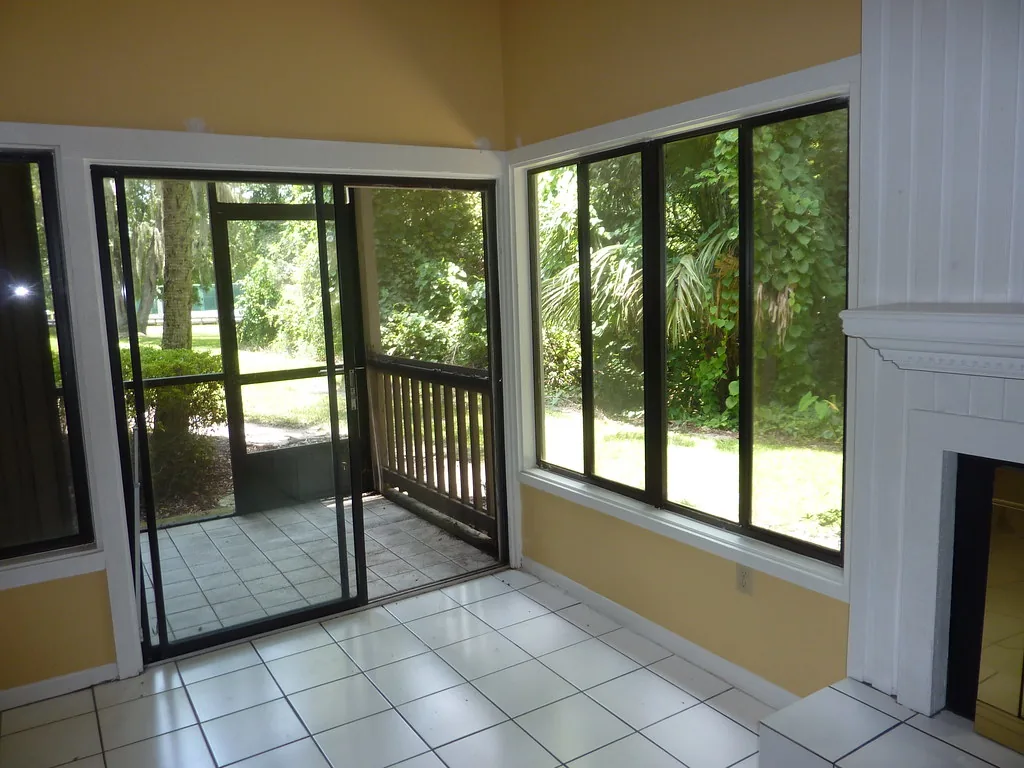
Screening a patio means building an aluminum frame inside the opening and rolling screen into it, and it only stays permit-free in Manatee County when a roof and slab already exist. A covered lanai with a roof and slab already in place is the easy case. The usual order of work:
- 1Confirm the roof and slab
Screening an existing lanai works when there is already a roof overhead and a slab underneath. If either is missing, the job becomes a new screen room with a permit.
- 2Measure the openings
Each opening between columns is measured for height and width, and divided into panels with a chair rail and a kick plate at the bottom.
- 3Set the frame
Aluminum channel and uprights are fastened to the slab, the beam and the house, with a screen door placed where people walk out.
- 4Roll in the screen
Screen mesh is stretched across each panel and pressed into the channel with spline, then trimmed.
- 5Fit the door
The door gets a closer and latch so it shuts on its own, which matters if the screen walls are part of a pool barrier.
Which screen to put in a Parrish lanai
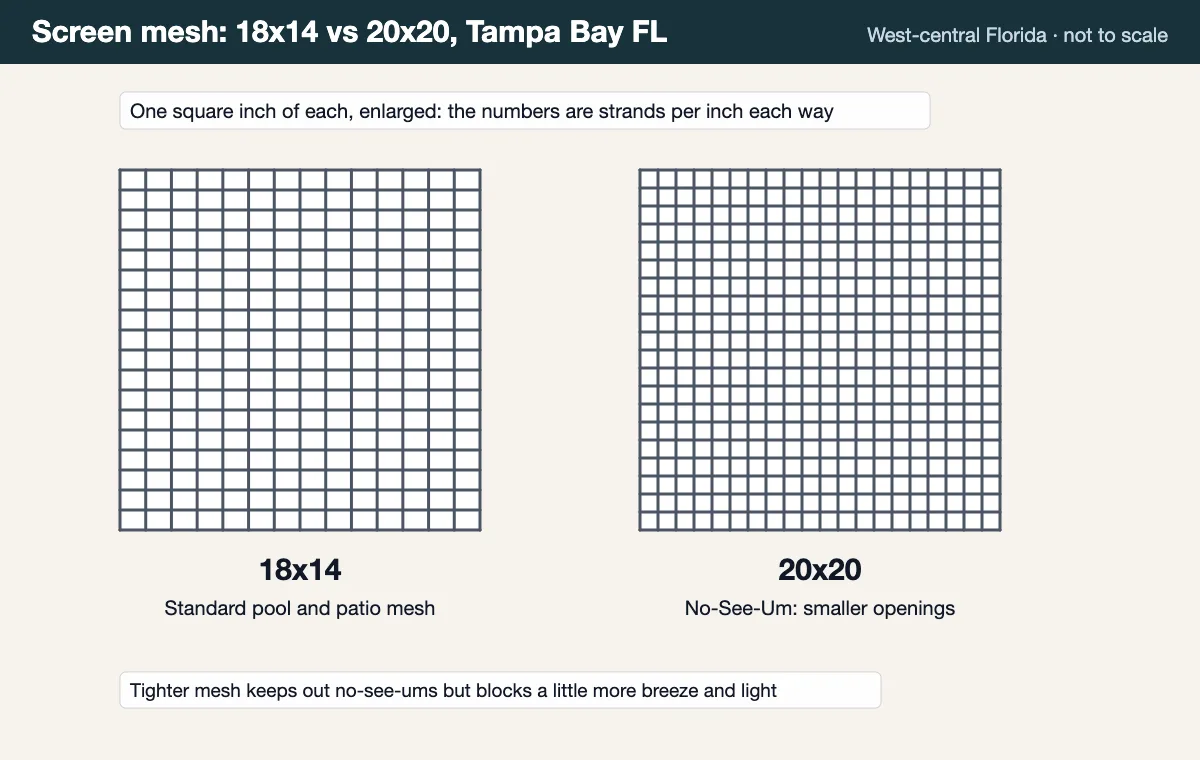
- 18x14 fiberglass: Phifer's traditional pool and patio mesh and the lowest-cost choice.
- 20x20 No-See-Um: a tighter weave Phifer designs for no-see-ums, gnats and sand flies; worth it on lots that back onto ponds or wetland preserve.
- PetScreen: tear and puncture resistant, made for patio and porch enclosures where dogs and cats push on the lower panels.
- Glas-Shield: vinyl-laminated mesh for panels below the chair rail and privacy walls, to keep dirt and debris out. Not for roofs.
More detail on frame-only screen rooms is on the patio screen enclosures page, and on fixing an existing one on lanai screen repair.
Adding a pool cage to a new Parrish pool
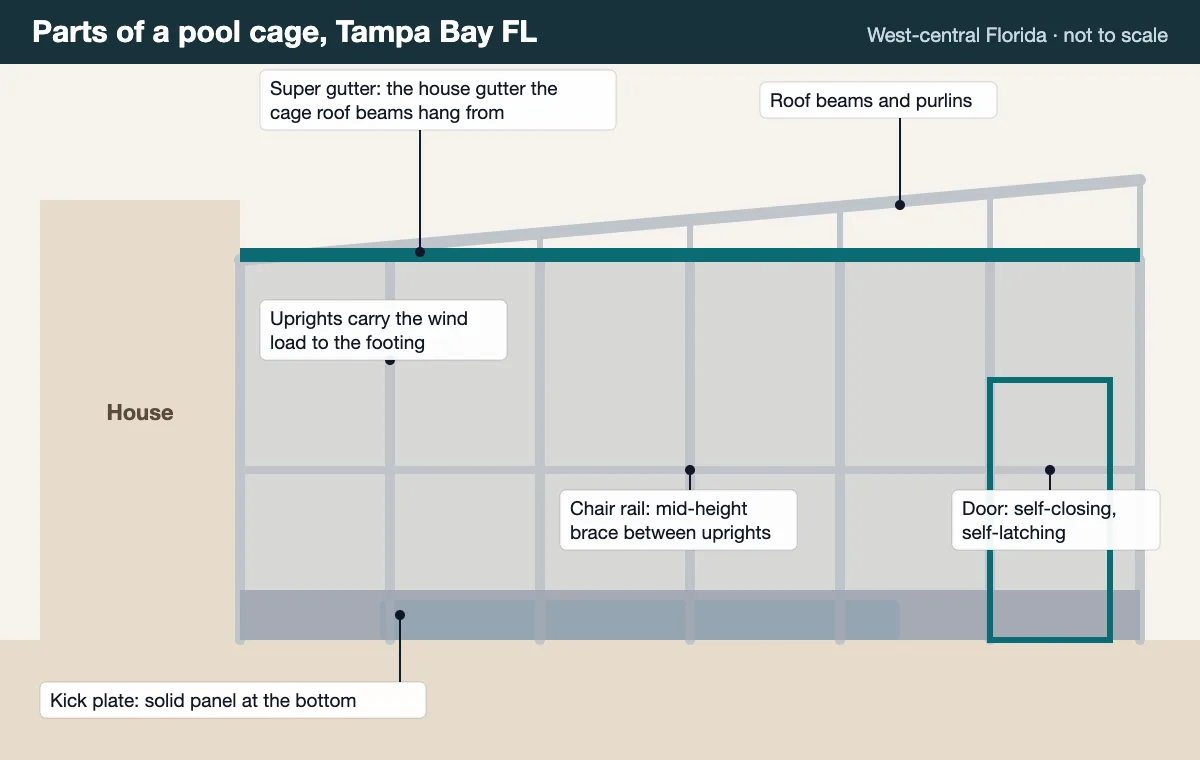
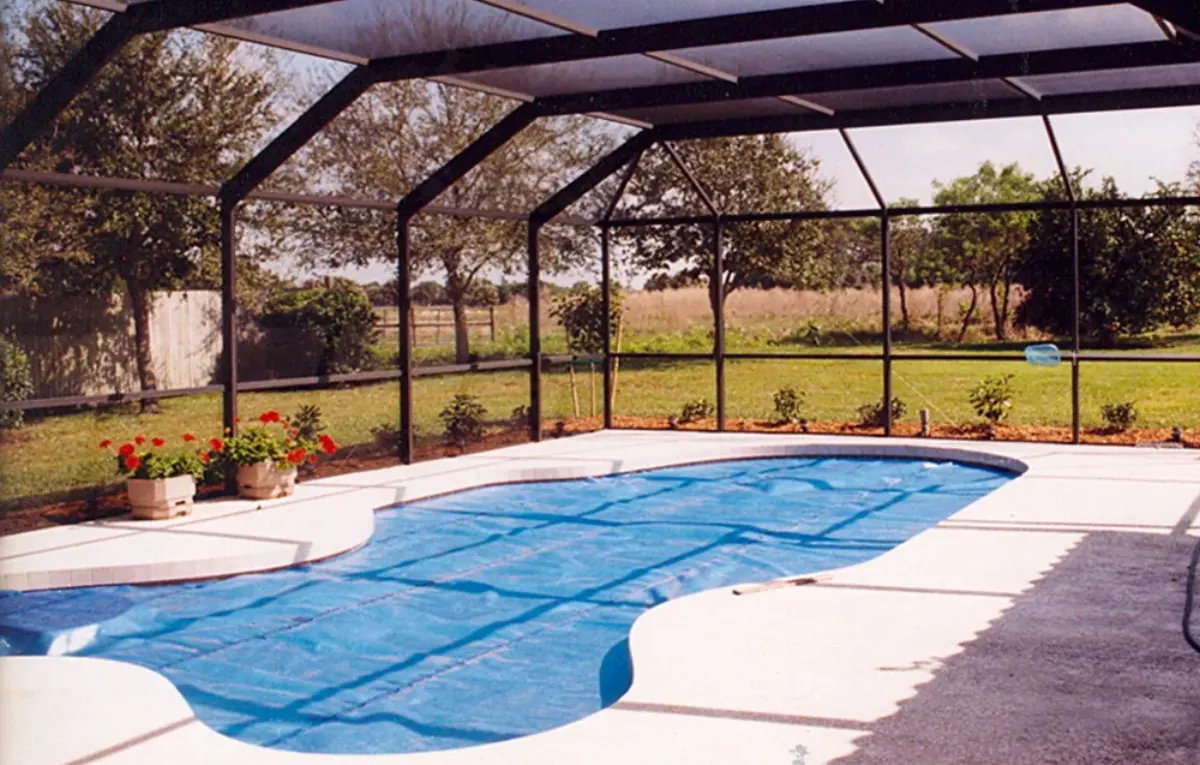
A pool cage is a separate engineered structure, so it always needs a permit, plans and a site plan or survey in Manatee County. On a new-construction lot the setback and easement rules are the usual constraint: the cage has to stay 5 feet from the side and rear lines, and nothing can sit in an easement or drainage swale.
- Find your plat or survey and mark any drainage or utility easements along the rear line.
- Check your HOA's architectural rules before design; North River Ranch and other communities may set colors and styles.
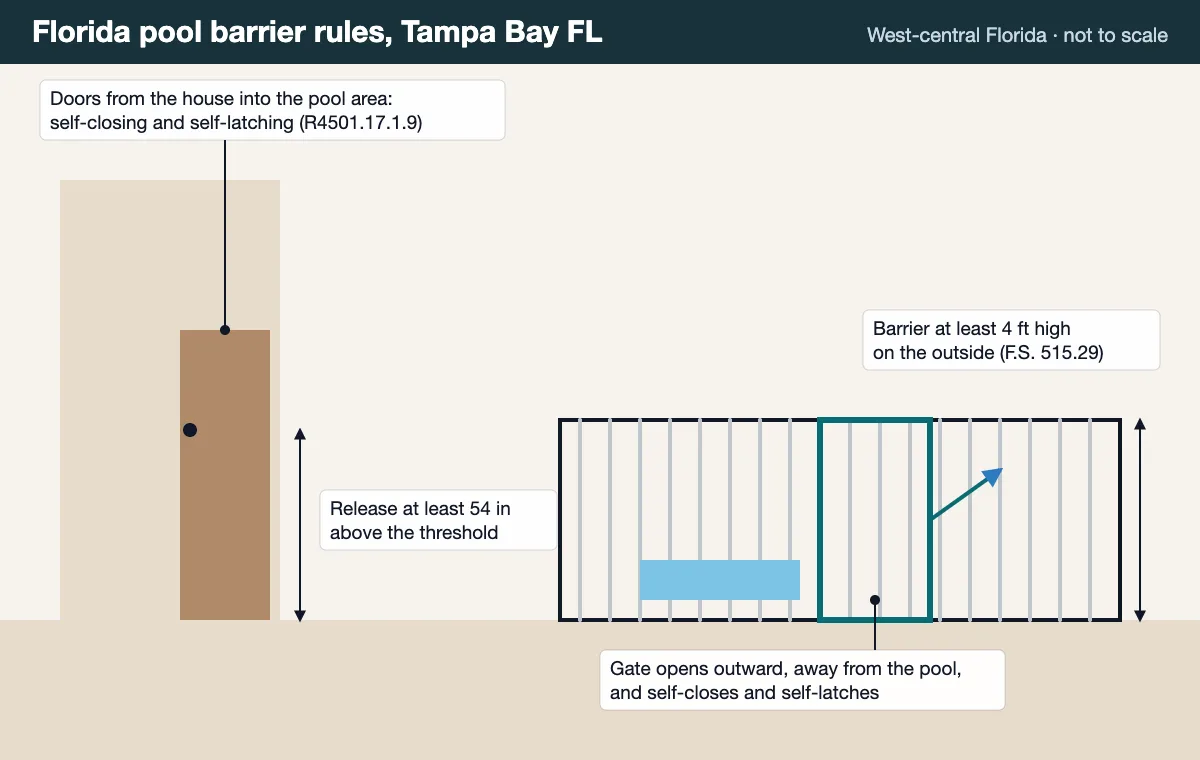
- Decide whether the cage will serve as the pool barrier; if so, its doors must swing outward, self-close and self-latch.
- Pick the screen: standard 18x14 fiberglass, or 20x20 No-See-Um if you back onto ponds or preserve.
- Expect signed engineering to the Florida Building Code, Section 2002, for the site's design wind speed.
Florida law sets a pool barrier at least 4 feet high on the outside, and the Florida Residential Code lets a standard screen enclosure count as that barrier. For a new pool that is often the simplest route to passing final inspection. The pool enclosure installation page covers design, roof styles and pricing in more depth.
Who is licensed to screen in a porch or patio
In Florida, screen work belongs to the Specialty Structure Contractor license, and Manatee County requires a licensed contractor even for a straight rescreen. The state rule defines that license's scope as including screened porches, screened enclosures and pool enclosures, and bars it from work that alters a building's structural integrity, such as roof trusses or load-bearing walls. A screened lanai that would need a new roof is a bigger job than a screen contractor alone can do.
Ask for the license number and look it up with the state before you sign. Florida law also told the state licensing board to set up a voluntary certified specialty category for structural aluminum and screen enclosures by July 1, 2025, so you may see that wording on a contractor's license.
Why Parrish homes screen in early
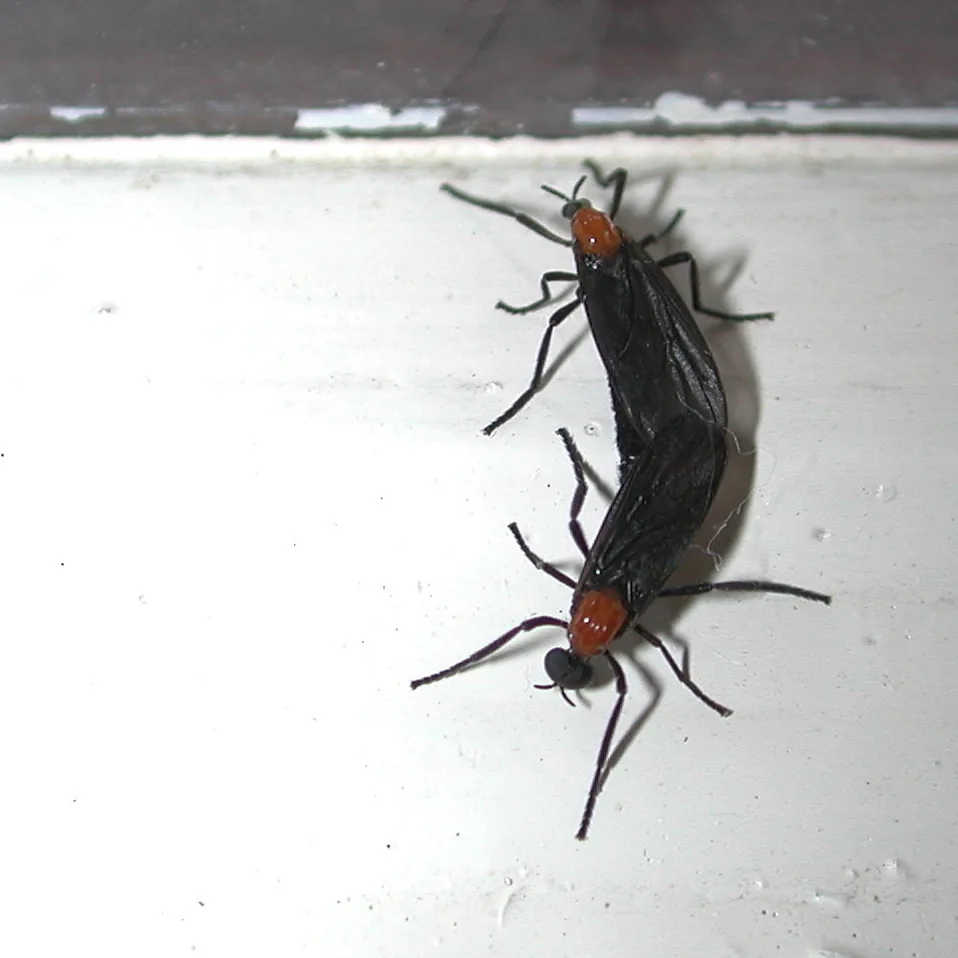
Bugs, mostly: new neighborhoods built on former farmland sit next to ponds, preserves and open fields. UF/IFAS says lovebugs appear across Florida in huge numbers as mating pairs for a few weeks every April to May and again in August to September, and it lists screens placed over decks and swimming pools as a way to keep them off. Mosquitoes, with more than 80 species in Florida, are the year-round reason.
Storms and Parrish screen enclosures
Parrish has no storm record of its own in the sources we checked, but Manatee County's numbers apply. During Milton in October 2024, Manatee saw peak gusts of 80 to 100 mph, and the county's early count, with 45 percent of homes inspected, found 536 homes with major damage. Manatee required permits for all storm-related repairs but waived the fees for them through March 1, 2025. Two years earlier, Ian brought significant flooding to Manatee and neighboring counties as the Peace, Myakka and Alafia rivers crested at record levels.
New cages built to the current code are designed for a specific wind speed, not made storm-proof. After a big blow, check for bent members, popped panels and a door that no longer latches, and see hurricane damage repair before calling the insurer.
Keeping a new enclosure in shape
Plan on new screen in 5 to 10 years and a frame that lasts 20 to 30 or more. In a young town like Parrish, the first round of pool cage rescreening is still ahead for most homes. Until then, a torn panel from a pet or a palm frond is a pool screen repair, and a door that drags is a door repair, not a reason to redo the cage.
Permits in more detail
Florida's HB 803 lets single-family owners skip a permit for non-structural work under $7,500 on a written request, outside flood hazard areas. The Tampa Bay pool enclosure permit guide explains it alongside every county's rules.
Parrish and nearby
Parrish sits northeast of Bradenton, and Lakewood Ranch is to the south. See every town on the service area page, or request a free quote.